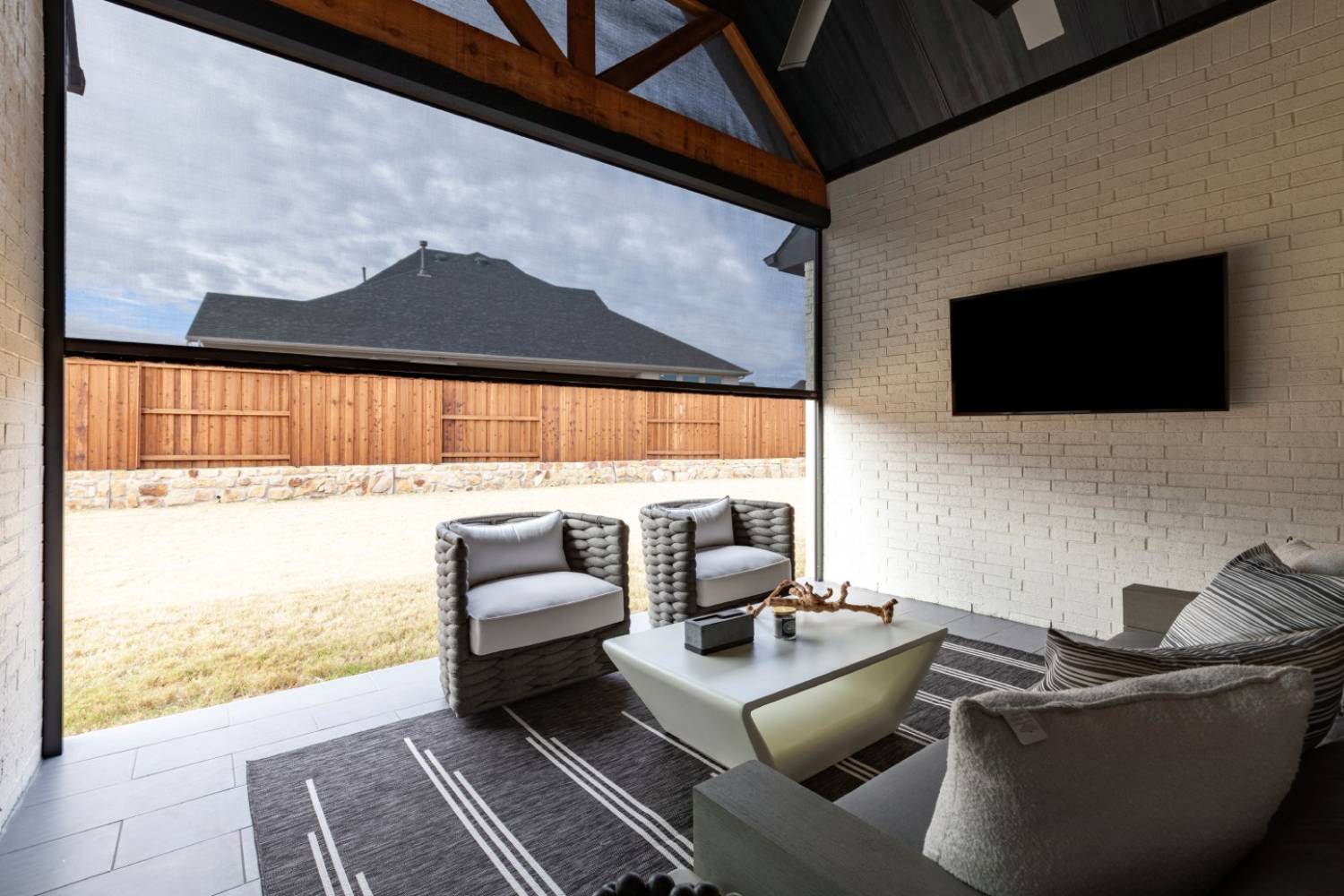
Solar screens can help reduce indoor allergy irritation during Texas winters by limiting pollen, dust, and airborne debris before they reach your windows and interior spaces.
Winter allergy season in Texas often surprises homeowners. While many expect symptoms to fade once summer ends, mild temperatures, shifting weather patterns, and continued pollen production can keep irritation lingering well into winter.
Solar screens are commonly known for sun and heat control, but they can also play a role in supporting indoor comfort during allergy season. By limiting what reaches your windows, you help reduce some of the everyday factors that worsen winter allergy symptoms.
Unlike colder climates, where plant activity slows dramatically, Texas winters remain active. Trees such as cedar and juniper release pollen during the winter months, and dry air allows those particles to travel easily.
When combined with frequent temperature swings, allergens remain airborne longer and settle on exterior surfaces throughout the day. Windows become a primary entry point, especially when exposed to sunlight and wind.
Solar shade screens sit on the exterior of your home, filtering sunlight and airflow before they reach the glass. While they are not medical filters, they help reduce how much pollen and debris comes into direct contact with windows.
This exterior layer can help:
By stopping allergens earlier in the process, solar screens support a cleaner indoor environment during winter.
Pollen and dust that settle on windows do not stay put. Everyday airflow, cleaning, and opening windows can send those particles back into the air inside your home.
Solar screens help minimize buildup, which means fewer irritants being disturbed and circulated indoors. Many homeowners notice they spend less time wiping window surfaces during allergy season.
Dry winter air can intensify allergy symptoms such as sinus irritation and dry eyes. Direct sunlight through untreated windows can further dry out indoor spaces, especially in rooms with large glass areas.
By reducing sun intensity and helping regulate indoor temperatures near windows, solar screens contribute to a more balanced and comfortable interior environment throughout the winter months.
Opening windows during mild Texas winters is common, but fresh air often comes with unwanted allergens. Solar screens allow airflow while helping reduce the amount of debris carried inside.
This makes it easier to enjoy cooler air without fully exposing your home to outdoor irritants that contribute to seasonal discomfort.
Solar screens are most effective when combined with other indoor comfort solutions. Together, these steps help reduce allergy triggers throughout your home. Managing allergens at the window level helps support the effectiveness of these solutions:
Winter allergies can be frustrating when outdoor conditions continue to cause irritation. Motorized outdoor screens in Dallas-Fort Worth, TX, offer a practical way to reduce exposure, limit buildup, and support a more comfortable indoor environment during Texas winters.
If winter allergy symptoms are affecting your home, solar screens may be a helpful addition to your comfort plan. Contact Blinds Brothers to schedule a free consultation.
.webp)