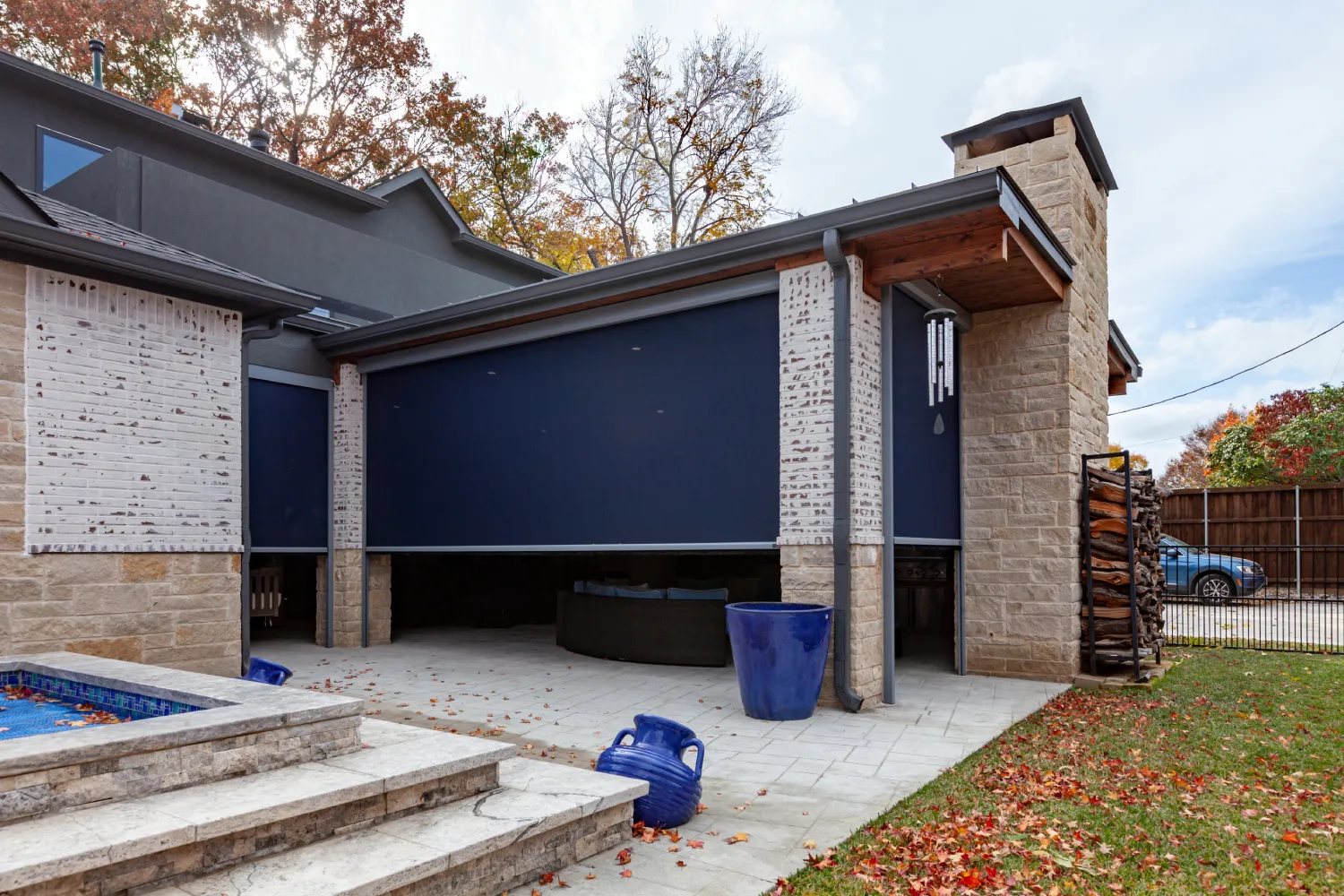
Exterior screens for pets should use durable mesh and a secure track or gasket system that can withstand more scratching and pressure than standard window screens. They can help create a catio, define a patio area for dogs, and provide a convenient transition space after wet or muddy walks.
However, no pet-resistant screen is indestructible or escape-proof. The right screen depends on your pet’s size, weight, activity level, and behavior. Pets should remain supervised whenever they use a screened outdoor space.
Exterior screens can make a patio more comfortable for the entire family, including dogs and cats. However, pet owners often wonder whether a screen can withstand claws, jumping, and repeated contact.
The answer depends on the screen material, track system, installation, and pet. Understanding these factors can help you create a safer, more enjoyable outdoor space.
Traditional fiberglass window screens are lightweight and flexible. While suitable for blocking bugs, standard screens may tear when a pet scratches, pushes, or jumps against them. Thin aluminum screens can also bend under pressure.
Pet-resistant screen material uses heavier mesh with greater weave strength. This construction helps it resist scratching, stretching, tearing, and puncturing from claws. It can also handle everyday contact from active pets more effectively than traditional fiberglass.
The screen material is only one part of the system. A secure gasket or retention system helps keep the mesh aligned within the side tracks. Reinforced hardware and a custom-fit frame can reduce the risk of the screen pulling loose when pushed.
Even durable mesh can sustain damage from repeated scratching or forceful jumping. Pet owners should inspect the screen, tracks, frame, and lower edges frequently.
A catio gives cats access to fresh air, natural light, and outdoor activity while creating a boundary between them and the yard. A screened porch or patio may provide enough room for climbing structures, beds, toys, and places to rest.
Good outward visibility allows cats to watch birds, people, and activity in the yard. Claw-resistant pet mesh is ideal here because it helps protect against tearing while maintaining ventilation and visibility, and its optimized weave maximizes airflow while reducing entry of insects and debris.
Before allowing a cat onto the patio, inspect every opening, door, track, and lower edge. Cats can squeeze through surprisingly small gaps, and determined climbers may test the entire screen.
Exterior screens can support a catio design, but they should not be considered escape-proof. Cats that chew, climb, or scratch frequently require close supervision.
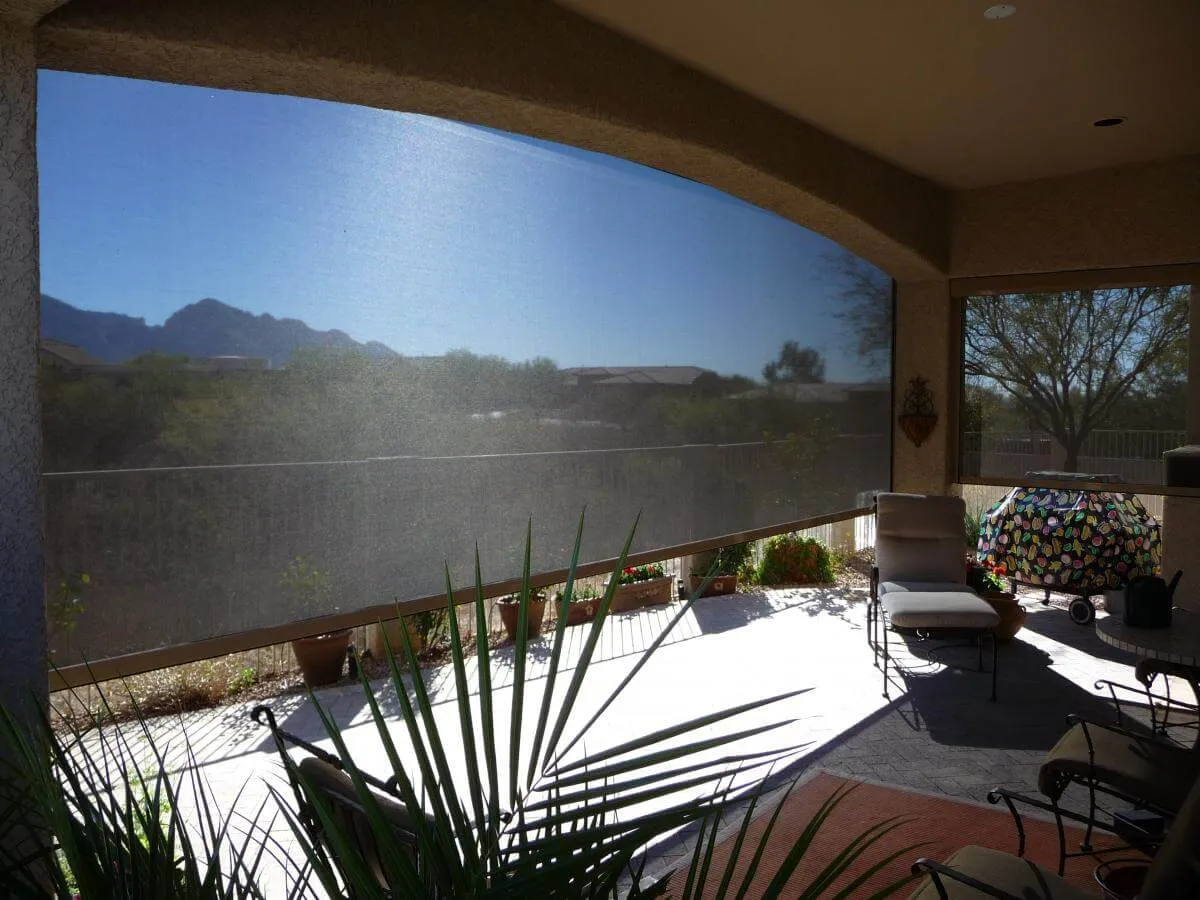
Exterior screens can also help make a patio or porch more comfortable for households with dogs. They can improve airflow, reduce insects, and create a more defined outdoor living space while maintaining visibility to the surroundings.
A calm dog resting near a screen places very different demands on the mesh than a large, active dog that jumps at people, animals, or objects outside. For very strong or large dogs, architectural-grade stainless steel wire mesh offers maximum security. The pet’s weight, strength, temperament, and habits should influence the screen material and hardware.
Introduce dogs to the screen gradually. Watch for scratching, chewing, pushing, or attempts to run through it. If the dog repeatedly applies pressure, move the pet away and inspect the screen for damage.
A pet screen is not a replacement for a secure fence, screen door, leash, or supervision. It provides an additional boundary, not guaranteed containment.
A screened patio can function like an outdoor mudroom after rainy walks. Pet owners can pause there to wipe muddy paws, dry wet fur, and remove leaves or other debris before entering the house.
Keeping towels, paw wipes, and cleaning supplies near the patio door makes the routine easier. The covered space provides fresh air while keeping the pet in a defined area during cleanup.
The screen does not prevent pets from bringing in moisture or dirt. It simply creates a convenient place to handle the mess before they walk through the home.
Choosing an exterior screen for pets requires more than comparing price or color. Consider the following details:
A thicker pet-resistant window screen may be slightly less transparent than lightweight mesh, but it can still provide good visibility and airflow. Black mesh is often easy to see through when looking toward a brighter outdoor area. Standard fiberglass can be a cost-effective choice for basic insect protection on windows and screen doors, while tougher materials are often better for sliding screen doors and active pets.
Every opening should be measured precisely so custom screens match each space exactly. Gaps around the sides or bottom may reduce protection and allow a determined pet to escape.
Motorized exterior screens add convenience, but they must be operated carefully around animals. Magnetic pet screens latch with strong magnets, so pets can easily pass through while the opening still helps close securely after you install them. Before lowering a screen, confirm that no pet is standing, resting, or moving beneath it.
Do not assume that a dog or cat will move when the screen starts operating. Keep pets away from the opening until the screen finishes moving, and never allow them to play with the bottom bar or tracks.
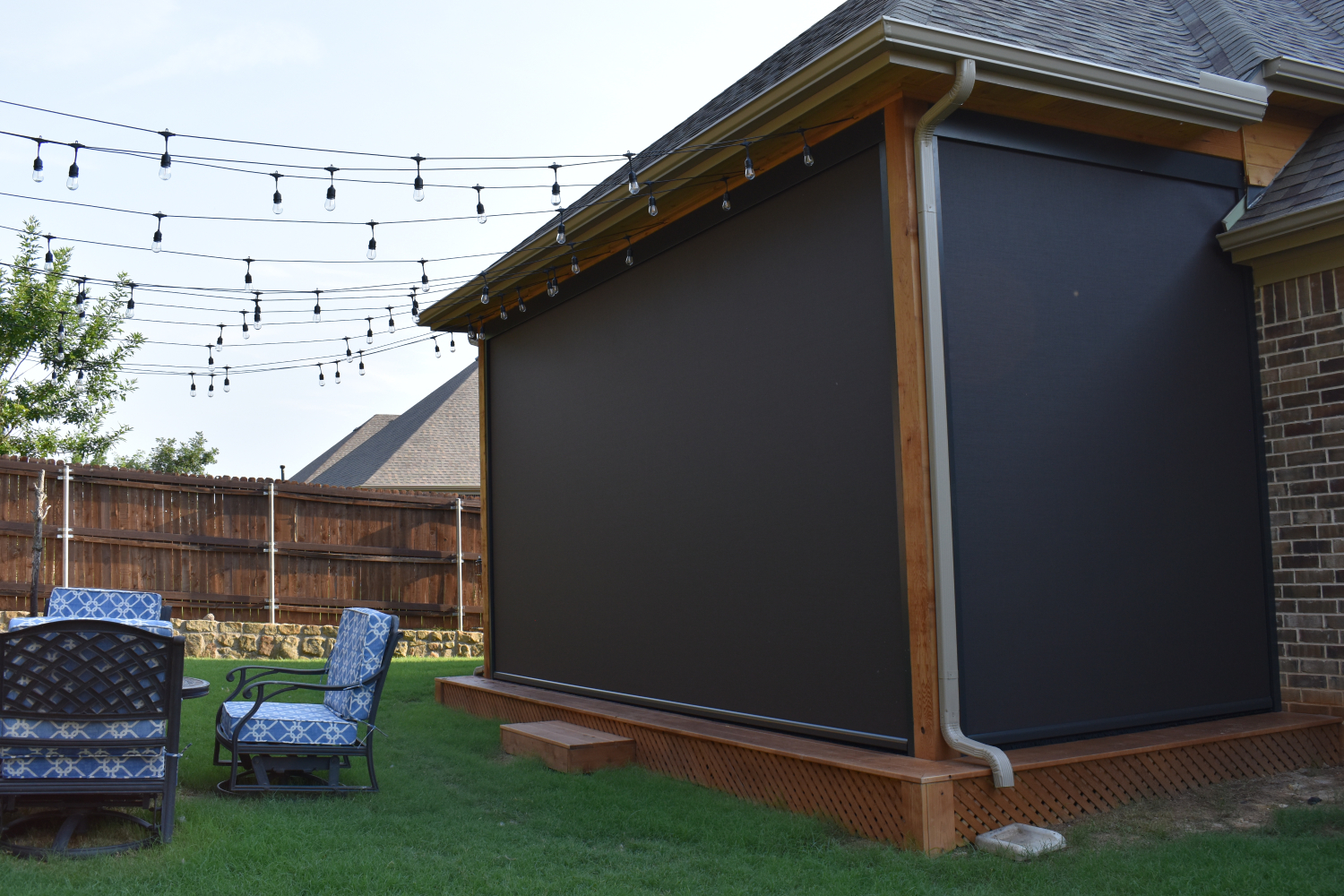
Blinds Brothers provides custom exterior screens for patios and outdoor living areas throughout Dallas-Fort Worth. Our team can evaluate your openings, discuss your pets, and help you compare durability, visibility, airflow, and control options.
Explore our outdoor living solutions, or call 817-502-6200 to schedule a free estimate.
Are pet-resistant screens completely scratch-proof?
No. A stronger mesh can resist more scratching, pressure, and punctures than a standard screen. Some products, such as PetScreen, are 7 times stronger than standard mesh, but repeated contact can still cause wear or damage.
Can an exterior screen keep my dog on the patio?
It may help create a boundary to maintain a more controlled space and keep pets safe, but it should not be treated as an escape-proof fence. A dog’s size, behavior, and level of supervision matter.
Can exterior screens be used to create a catio?
Yes. A custom-fit screen can help create a protected catio-style space. Integrated pet doors can reduce damage to the main screen when animals need frequent access. All gaps, tracks, doors, and edges should be inspected regularly.
Do durable screens still provide airflow and visibility?
Yes. Heavy-duty mesh can maintain airflow and outward visibility, whether used on patios or around pool enclosures, although it may be slightly less transparent than a lightweight standard screen.
Can pets damage a motorized screen’s tracks?
Forceful pushing, scratching, or jumping may damage the mesh, gasket, tracks, or hardware. Selecting a suitable system and replacing worn parts when needed can reduce the risk.
.webp)