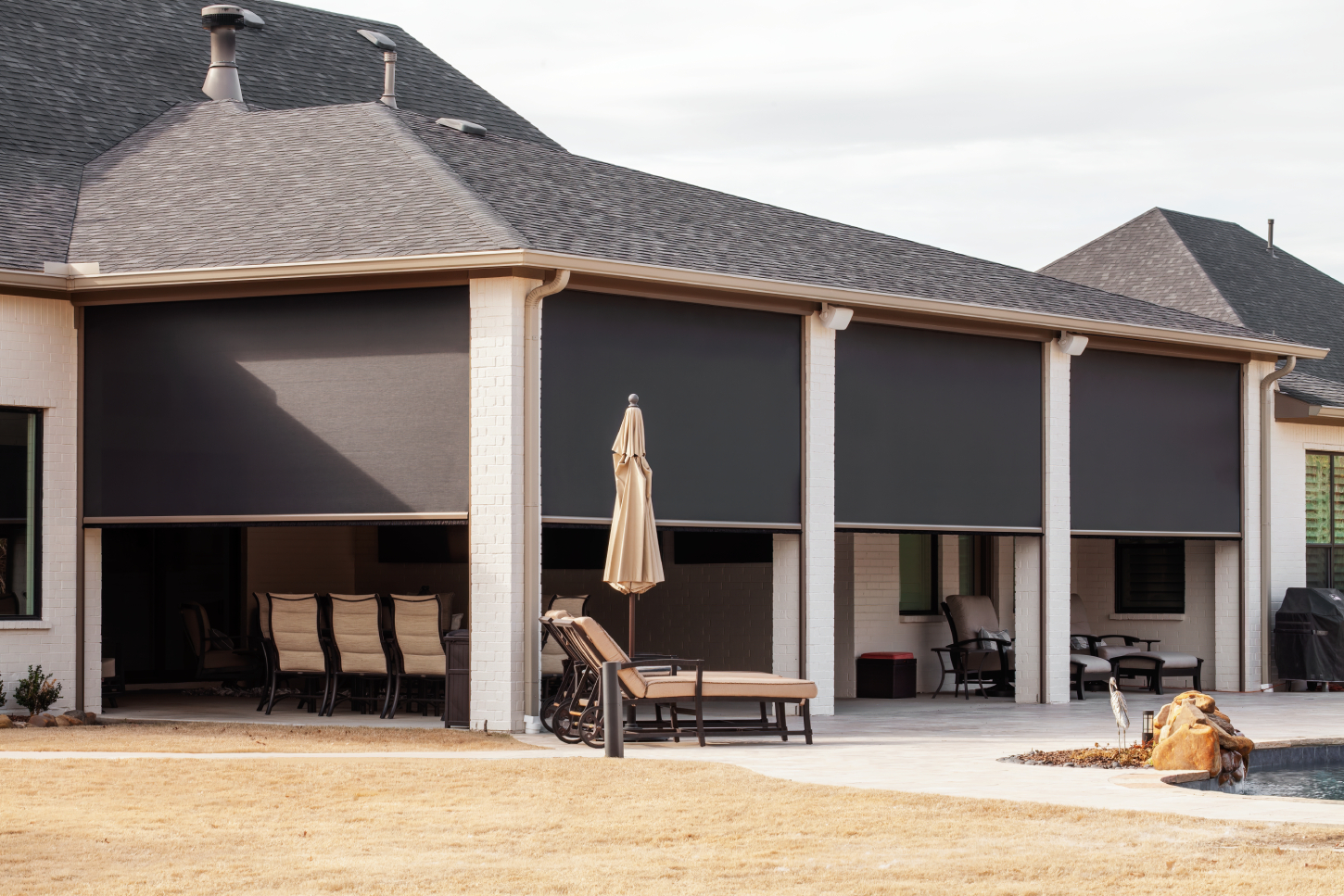
The best solar screen color depends on your home’s exterior style, sun exposure, privacy needs, and desired visibility. Darker colors typically provide better glare reduction and outward visibility, while lighter colors blend more subtly with exterior finishes.
Solar screens are often chosen for their performance benefits like glare reduction, heat control, and privacy. But color selection plays a major role in how well those benefits work for your specific home.
The color you choose affects how much light is filtered, how visible the screen appears from the street, and how clearly you can see outside during the day. It also impacts how seamlessly the screens blend into your home’s exterior.
Choosing the right color helps ensure your solar screens improve comfort without distracting from your home’s design.
Solar screens are designed to filter sunlight before it reaches your windows, but color influences how that filtering feels inside your home.
If glare is your primary concern, darker screens are often the most effective. If curb appeal and blending are higher priorities, lighter shades may be a better fit.
When comparing solar screen colors, most homeowners narrow the choice down to dark or light options. Each has distinct advantages.
Neither option is universally better. The right choice depends on how and where the screens will be used.
Your home’s exterior colors should play a big role in your decision. Solar screens become part of the façade, so coordination matters.
Homes with darker trim, roofing, or window frames often look more cohesive with darker screens. Light stucco or painted exteriors may pair better with lighter or neutral tones.
Landscaping also matters. Trees, stone, and shaded areas can influence how visible screens appear from different angles.
Not all windows need the same solution. South- and west-facing windows typically receive stronger, lower-angle sunlight, especially during winter months.
Darker screens are often more effective on these elevations, where glare and heat buildup are more noticeable. East-facing windows may benefit from lighter colors if early morning light is less intense.
Customizing screen color by elevation can improve comfort while maintaining a consistent exterior look.
Solar screens are designed to provide daytime privacy, but color affects how effective that privacy feels.
Darker screens generally make it harder for people outside to see in while preserving your view out. Lighter screens still offer privacy, but silhouettes and movement may be more visible from certain angles.
If privacy is a major concern for street-facing windows or outdoor living areas, darker screen colors are often preferred.
Lighting conditions, exterior finishes, and sun exposure vary from home to home. What looks right on one house may feel completely different on another. Viewing physical samples on-site helps you see how each color interacts with your exterior and interior lighting. It also allows you to compare visibility, glare reduction, and overall appearance in real conditions.
Choosing the right solar screen color in Dallas-Fort Worth, TX, is about more than personal preference. It’s about comfort, performance, and how your home looks year-round.
Blinds Brothers offers expert guidance and on-site consultations to help homeowners select solar screen colors that work with their home’s architecture, exposure, and lifestyle.
Schedule a free estimate to explore your options and find the solar screen solution that fits your home perfectly.
.webp)